Introduction
In emergency situation circumstances, the ability to acknowledge indications of no breathing can suggest the distinction in between life and death. Recognizing exactly how to assess a casualty's problem swiftly and effectively is essential for any person that might locate themselves in a rescue circumstance. This post dives deep right into the important facets of recognizing no breathing, going over essential techniques, methods, and the relevance of preserving calmness throughout a crisis.
When faced with a subconscious individual, recognizing what to try to find and how to respond can save lives. This extensive overview will attend to different elements of emergency situation feedback, from basic vs sophisticated life support to public defibrillator use, making certain that every rescuer is fully equipped with knowledge.
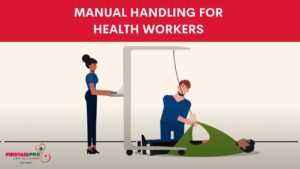
Identifying No Breathing: Indications Every Rescuer Need To Recognize
Identifying no breathing is a vital skill every rescuer need to have. When a person is unresponsive, examining their breathing needs to be your primary step. An individual may show up lifeless; nevertheless, it's necessary not to jump to verdicts without doing a detailed evaluation.
Understanding the Basics of Examining Responsiveness
When approaching a casualty, your initial task is checking responsiveness. You can do this by gently drinking their shoulders while noisally asking if they are alright. If there's no feedback after several attempts, you must proceed with examining their breathing.
Key actions consist of:
Safety First: Guarantee the atmosphere is safe for both you and the casualty. Call for Help: If the individual is unresponsive and not breathing normally or at all, call emergency services or ask someone else to do so. Positioning: Very carefully put the casualty on their back on a firm surface.Evaluating Breathing in Emergency Situations
Once you have actually established that the person is unresponsive, it's time to check if they're breathing.
Look: Observe the breast for any kind of increase and fall. Listen: Put your ear close to their mouth and nose; listen for breath sounds. Feel: Put your cheek near their mouth to feel for breath.If you identify no indicator of breathing within 10 secs, launch CPR immediately.
Signs of No Breathing
The lack of normal breathing can materialize in several ways:
- The breast continues to be motionless. There are no distinct breaths. The person does not exhibit signs of gasping.
Recognizing these signs promptly enables you to act promptly-- crucial consider boosting survival prices during heart events.

Basic vs Advanced Life Assistance Techniques
It's vital for rescuers to understand different levels of life assistance when taking care of breathing emergencies.
What Is Basic Life Support (BLS)?
Basic life support consists of necessary skills like mouth-to-mouth resuscitation and choking relief methods that any person can find out with BLS accreditation courses. It focuses on preserving flow up until innovative care arrives.
Components of BLS
- Chest compressions Rescue breaths Automated outside defibrillator (AED) usage
Advanced Life Support (ALS)
Advanced life support involves a lot more complex clinical interventions typically performed by health care professionals. It consists of:
- Intubation Medication administration Advanced monitoring equipment
While many people will only need BLS skills in emergency situations, comprehending ALS concepts assists you value the broader context of emergency treatment delivery.
Public Defibrillator Usage
In situations where heart attack happens as a result of lack of breathing, making use of an AED can significantly improve survival chances.
How Does an AED Work?
An Automated External Defibrillator analyzes heart rhythms and supplies shocks if necessary to re-establish efficient heartbeats:

Importance of Public Access AEDs
Having accessible public defibrillators enhances area durability against sudden heart attack basic first aid steps occurrences by equipping day-to-day citizens with lifesaving tools!
Home pageMaintaining Composure During Emergencies
In high-stress circumstances, remaining calm is vital for effective action. Panic can shadow judgment and decrease essential responses.
Tips for Remaining Calm
- Take deep breaths before engaging. Focus on clear activities instead of overwhelming emotions. Remind yourself that every 2nd counts; acting decisively saves lives!
Taking Turns on Compressions: The Relevance of Teamwork
When several rescuers exist, taking turns carrying out breast compressions maximizes efficiency while decreasing exhaustion-- vital throughout extended resuscitation efforts!
How To Rotate Efficiently
Establish a clear interaction method (e.g., "switch!"). Switch every 2 minutes or when tiredness establishes in. Make sure compressions continue to be constant throughout transitions.Finding the Right Compression Depth and Rate
Proper compression depth and rate are vital for efficient mouth-to-mouth resuscitation that distributes blood effectively:
Compression Depth
The recommended depth for adult targets goes to the very least 2 inches but not going beyond 2.4 inches while ensuring enough recoil after each compression.
Compression Rate
Aim for a price in between 100-- 120 compressions per minute-- this associates with tunes like "Stayin' Alive" by Bee Gees!
Hospital Codes and Protocols Associated With Respiratory Emergencies
Every health center has details codes that inform team concerning breathing emergency situations-- recognizing these codes can assist in quicker responses:
|Code|Description|| ------|-------------|| Code Blue|Medical emergency calling for instant attention|| Code Red|Fire alarm/evacuation procedure|| Code Orange|Unsafe products occurrence|
Familiarity with these codes enhances coordination amongst medical care teams during crises!
FAQs About Determining No Breathing
What ought to I do if I'm not sure whether someone is breathing?- If unsure, constantly think they're not; start CPR immediately!
- Yes! Most AEDs have pediatric pads offered-- adhere to gadget directions accordingly.
- It's recommended every 2 years; standards evolve frequently!
- Yes! Making use of appropriate personal safety tools (PPE) minimizes risks while supplying needed aid.
- While incorrect method may minimize efficiency somewhat, any type of attempt at CPR considerably enhances survival possibilities contrasted to doing nothing!
- Training isn't compulsory but very encouraged; many public places supply training sessions!
Conclusion
Identifying no breathing is just one of those essential skills that require practice and self-confidence-- a combination that originates from training like BLS qualification courses paired with real-world experience in handling emergency situations successfully!
Always remember: Every 2nd matters when responding! By finding out just how ideal to analyze casualties swiftly while applying appropriate strategies like taking turns on compressions or identifying hospital procedures-- even utilizing public defibrillators-- we end up being encouraged helpers ready when others need us most!
Stay prepared; stay informed-- and don't wait! You may just conserve a life today!
First Aid Pro | First Aid Course Perth (RTO 31124) is one of Australia’s leading providers of accredited First Aid and CPR training. We specialise in Basic Life Support, CPR & First Aid, NDIS HISS, AED, and many other accredited courses. Our training is both convenient and comprehensive, combining online and face-to-face learning options to suit your needs. Keep your first aid certificates up to date with same-day certification upon completion. Plus, find a lower price, and we’ll instantly beat it by 10%! Conveniently located at 195 Adelaide Terrace, Perth, WA 6004. Visit our website for course dates, directions and parking details.
First Aid Pro | First Aid Course Perth (RTO 31124) is a nationally recognised leader in First Aid and CPR training. Our Perth training centre delivers accredited courses including CPR, Basic Life Support, AED, NDIS High Intensity Support Skills (HISS), and comprehensive First Aid certifications. We make training flexible and convenient with a blend of online learning and practical, face-to-face classes. Get same-day certification so you can stay compliant and confident in emergencies. Plus, with our Price Beat Guarantee, if you find a lower price, we’ll beat it by 10% on the spot. Located at 195 Adelaide Terrace, Perth, WA 6004, our venue is central, easy to access, and designed for a great learning experience. Visit our website to check course dates, directions, and parking details.